

As we delve into the realm of smart wearable technology for health tracking, a world of possibilities unfolds before us. From monitoring vital signs to tracking fitness levels, these innovative devices are changing the way we approach personal wellness. Let's embark on a journey to explore the impact and benefits of this cutting-edge technology.
Overview of Smart Wearable Technology for Health Tracking
Smart wearable technology refers to devices that are worn on the body, typically in the form of accessories like smartwatches, fitness bands, or other wearable devices, that are equipped with sensors to track various health metrics and activities. These devices are designed to monitor physical activity, heart rate, sleep patterns, and other health-related data to provide users with insights into their overall well-being.
Examples of Popular Smart Wearable Devices for Health Tracking
- Fitbit: Fitbit offers a range of wearable devices that track steps, distance, calories burned, and active minutes. They also monitor heart rate, sleep quality, and offer personalized insights.
- Apple Watch: The Apple Watch includes features like heart rate monitoring, ECG capabilities, fall detection, and fitness tracking. It also offers apps for tracking workouts, mindfulness, and sleep.
- Garmin: Garmin produces smartwatches and fitness trackers that monitor various health metrics, including heart rate, stress levels, respiration, and hydration. They also offer GPS tracking for outdoor activities.
Benefits of Using Smart Wearable Technology for Monitoring Health Metrics
- Convenience: Wearable devices provide continuous monitoring of health metrics without the need for manual input, allowing users to easily track their progress throughout the day.
- Motivation: Real-time feedback and data visualization from wearable devices can motivate users to stay active, meet fitness goals, and make healthier lifestyle choices.
- Early Detection: Smart wearables can alert users to potential health issues, such as irregular heart rhythms or abnormal activity patterns, prompting them to seek medical attention early.
- Personalization: Many wearable devices offer personalized insights and recommendations based on individual health data, helping users make informed decisions about their well-being.
Features and Functions of Smart Wearable Health Trackers
Smart wearable health trackers come equipped with a variety of features and functions to help users monitor and improve their health and fitness. These devices are designed to track various health metrics, provide real-time feedback, and seamlessly integrate with smartphone apps for data analysis.
Various Features Commonly Found in Smart Wearable Health Trackers
Smart wearable health trackers typically include the following features:
- Heart rate monitoring: These devices can track your heart rate continuously throughout the day, providing valuable insights into your cardiovascular health.
- Activity tracking: Smart wearables can monitor your daily activity levels, including steps taken, distance traveled, and calories burned.
- Sleep tracking: Many devices offer sleep tracking functionality to analyze your sleep patterns and help you improve the quality of your rest.
- GPS tracking: Some smart wearables come with built-in GPS capabilities to accurately track your outdoor workouts and routes.
- Water resistance: Most devices are water-resistant, allowing you to wear them while swimming or in the shower.
Comparison of Different Types of Sensors Used in Smart Wearable Devices
Smart wearable health trackers utilize a variety of sensors to collect data and provide insights. Some common sensors include:
- Accelerometer: Measures movement and acceleration to track activities and analyze sleep patterns.
- Heart rate sensor: Monitors your heart rate continuously to assess your cardiovascular health.
- GPS sensor: Provides accurate location tracking for outdoor activities and route mapping.
- Temperature sensor: Measures skin temperature to assess your overall health and activity levels.
Integration of Smart Wearable Technology with Smartphone Apps for Data Analysis
Smart wearable health trackers often sync with dedicated smartphone apps to provide users with in-depth data analysis and insights. These apps allow users to view their health metrics, set goals, track progress, and receive personalized recommendations based on their data.
By integrating with smartphone apps, smart wearables enhance the overall user experience and help individuals make informed decisions about their health and fitness goals.
Applications in Health Monitoring
Smart wearable technology plays a crucial role in health monitoring by tracking various aspects of fitness and physical activity, as well as monitoring vital signs like heart rate, sleep patterns, and stress levels. These devices have also been utilized in medical research and patient care, offering valuable insights and personalized data.
Tracking Fitness and Physical Activity
Smart wearable devices are equipped with sensors that can track the user's physical movements, calories burned, distance covered, and even provide workout recommendations. These devices help individuals stay motivated, set goals, and track their progress in real-time.
Monitoring Vital Signs
Smart wearables can continuously monitor vital signs such as heart rate, blood pressure, sleep patterns, and stress levels. By analyzing this data, users can gain valuable insights into their overall health and well-being. For example, irregular heart rate patterns can indicate potential heart issues, while sleep tracking can help improve sleep quality
Medical Research and Patient Care
Smart wearable devices have been used in various medical research studies to collect real-time data on patients' health conditions. For instance, researchers have used smartwatches to monitor patients with chronic diseases like diabetes or hypertension, allowing for remote monitoring and timely intervention.
In patient care, these devices can provide healthcare professionals with valuable information for personalized treatment plans and monitoring patient progress.
Challenges and Limitations of Smart Wearable Health Trackers
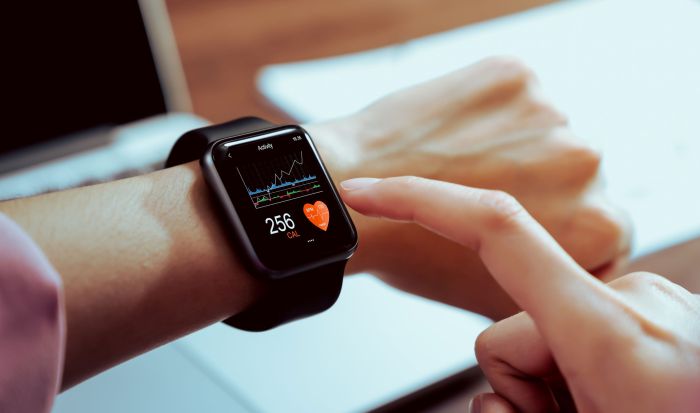
Smart wearable health trackers have revolutionized the way we monitor our health on a day-to-day basis. However, they come with their own set of challenges and limitations that users need to be aware of.
Common Challenges Faced by Users
- Accuracy Issues: One common challenge faced by users is the accuracy of the data collected by smart wearable health trackers. Factors such as device placement, sensor quality, and user movement can all affect the accuracy of the health metrics being tracked.
- Battery Life: Another challenge is the limited battery life of most smart wearables. Users often find themselves needing to charge their devices frequently, which can be inconvenient, especially for those who rely on continuous health monitoring.
- Compatibility with Other Devices: Some users may face challenges with the compatibility of their smart wearables with other devices or apps. This can hinder the seamless integration of health data across different platforms.
Privacy and Security Concerns
- Data Breaches: The data collected by smart wearable health trackers, including sensitive health information, is vulnerable to data breaches. Users may have concerns about the security of their personal data and the potential misuse of this information.
- Data Sharing: There are also concerns about how the collected health data is shared with third parties. Users may be apprehensive about the privacy implications of sharing their health information with external entities.
Limitations of Current Smart Wearable Technology
- Tracking Certain Health Metrics: While smart wearables are excellent at tracking basic health metrics like heart rate and steps taken, they may not be as accurate when it comes to more complex health metrics such as blood pressure or blood glucose levels.
Users should be cautious when relying on smart wearables for monitoring these specific health parameters.
- Interference with Medical Devices: Some smart wearables may interfere with medical devices such as pacemakers or insulin pumps due to electromagnetic interference. This limitation can pose a risk to individuals with certain medical conditions.
Concluding Remarks

In conclusion, smart wearable technology for health tracking offers a promising future for individuals looking to take charge of their well-being. With its ability to seamlessly integrate data analysis and real-time monitoring, these devices are reshaping the landscape of health and fitness.
Embrace the future of health tracking with smart wearables today.
FAQ Explained
How accurate are smart wearable devices for monitoring health metrics?
Smart wearable devices are becoming increasingly accurate in tracking health metrics, with advancements in sensor technology and data analysis algorithms.
Can smart wearables detect serious health conditions?
While smart wearables can provide valuable insights into health trends, they are not substitutes for professional medical diagnosis. It's essential to consult a healthcare provider for accurate assessments.
Are smart wearable devices waterproof for use during swimming or intense workouts?
Many smart wearable devices now come with waterproof features, allowing users to track their health metrics even during activities like swimming or intense workouts.

