

Exploring the world of Smart glasses with AR integration explained, this introduction sets the stage for a deep dive into the innovative technology that is revolutionizing how we interact with the digital world.
From defining smart glasses and augmented reality to exploring their benefits and applications, this guide aims to provide a clear understanding of this cutting-edge technology.
Introduction to Smart Glasses with AR Integration
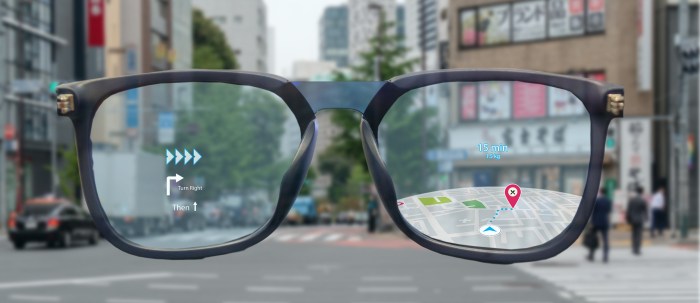
Smart glasses are wearable devices that display information in front of the user's eyes, often in the form of a heads-up display. Augmented reality (AR) is a technology that overlays digital information, such as images, videos, or data, onto the real world.
When AR is integrated into smart glasses, users can see both the physical environment and digital content simultaneously.
How AR Integration Works with Smart Glasses
AR integration with smart glasses typically involves sensors, cameras, and software working together to track the user's movements and surroundings. The sensors gather information about the user's location and orientation, while the cameras capture the real-world environment. The software processes this data and overlays relevant digital content onto the user's field of view, creating an augmented reality experience.
- Utilizes sensors and cameras to track user movements and surroundings
- Software processes data to overlay digital content onto the real world
- Creates an immersive augmented reality experience for users
Benefits of Using Smart Glasses with AR Technology
Integrating AR technology into smart glasses offers a range of benefits for users, including enhanced productivity, hands-free access to information, and immersive experiences. By overlaying digital content onto the physical world, smart glasses with AR integration can revolutionize various industries, such as healthcare, manufacturing, and education.
- Enhanced productivity with hands-free access to information
- Immersive experiences in various industries like healthcare and education
- Revolutionizes the way users interact with technology and the world around them
Components of Smart Glasses with AR Integration
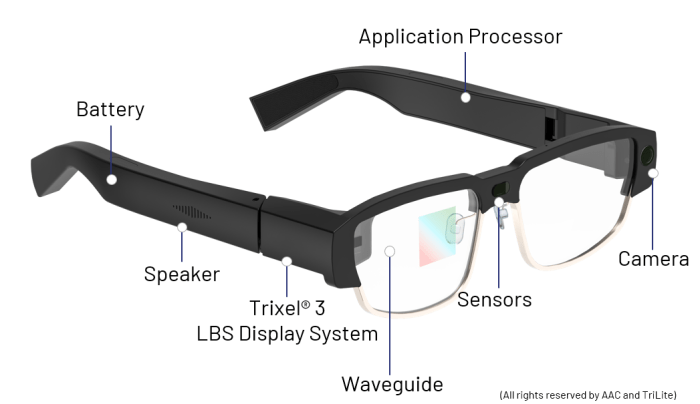
Smart glasses with AR integration consist of several essential hardware components, software systems, and sensors that work together to provide users with an augmented reality experience.Software plays a crucial role in enabling AR integration in smart glasses. It helps in rendering virtual images, overlaying digital information onto the real world, and tracking the user's movements and interactions.
This software is designed to create a seamless and immersive AR experience for the users.
Hardware Components
- Display: Smart glasses are equipped with a display that allows users to see digital content overlaid on the real world.
- Camera: Cameras capture the user's surroundings and help in tracking objects and gestures for AR applications.
- Processor: A powerful processor is essential for running AR software smoothly and processing real-time data.
- Battery: Smart glasses require a long-lasting battery to support continuous AR usage throughout the day.
- Connectivity: Bluetooth, Wi-Fi, and other connectivity options enable smart glasses to connect to the internet and other devices for enhanced functionality.
Role of Sensors
Sensors play a critical role in enhancing the AR experience in smart glasses by providing real-time data and feedback. These sensors include:
- Accelerometer: Detects the device's motion and orientation.
- Gyroscope: Measures the device's orientation and rotation.
- Magnetometer: Determines the device's position relative to Earth's magnetic field.
- GPS: Provides location-based information for AR applications.
Applications and Use Cases
Smart glasses with AR integration have a wide range of applications across various industries, revolutionizing the way tasks are performed and information is accessed.
Healthcare
In the healthcare industry, smart glasses with AR integration are used for telemedicine, remote consultations, surgical procedures, and medical training. Healthcare professionals can access patient information, vital signs, and medical records in real-time, improving efficiency and accuracy.
Manufacturing
Manufacturing companies utilize smart glasses to provide workers with hands-free access to assembly instructions, maintenance procedures, and quality control guidelines. This enhances productivity, reduces errors, and improves safety in the workplace.
Logistics and Warehousing
In logistics and warehousing, smart glasses help workers navigate large facilities, locate specific items, and track inventory in real-time. This streamlines operations, reduces picking errors, and increases overall efficiency.
Field Services
Field service technicians use smart glasses to access repair manuals, schematics, and troubleshooting guides while on-site, eliminating the need to carry bulky equipment or refer to paper documentation. This speeds up repair processes and improves first-time fix rates.
Education and Training
In educational settings, smart glasses enhance learning experiences by providing interactive simulations, virtual field trips, and hands-on training exercises. Students can engage with content in a more immersive and engaging way, improving comprehension and retention.
Future Applications
Looking ahead, smart glasses with AR integration have the potential to revolutionize various industries further. From augmented reality gaming and virtual tourism to personalized shopping experiences and remote collaboration, the possibilities are endless. As technology continues to advance, smart glasses will continue to evolve and expand their capabilities, shaping the future of how we work, learn, and interact.
User Experience and Interaction
User experience and interaction play a crucial role in the success of smart glasses with AR integration. Let's delve into the design considerations, interaction methods, and challenges faced by users.
User Interface Design Considerations
When designing the user interface for smart glasses with AR, it is essential to prioritize simplicity, intuitiveness, and minimalism. The interface should be easy to navigate, with clear menus and controls that are accessible without causing distractions. Visual elements should be unobtrusive to maintain the user's focus on the real world while overlaying AR content seamlessly.
Interaction with AR Content
Users interact with AR content through smart glasses using various input methods, such as voice commands, gestures, touch controls, and head movements. These interactions enable users to manipulate virtual objects, access information, and engage with digital content overlaid on the physical environment.
The goal is to make the interaction natural and intuitive, enhancing the overall user experience.
User Feedback and Challenges
Feedback from users wearing and using smart glasses with AR often highlights challenges related to comfort, battery life, connectivity issues, and social acceptance. The weight and fit of the glasses impact comfort during extended use, while battery life and connectivity affect the seamless integration of AR content.
Additionally, some users may face challenges in social settings due to the perceived intrusiveness of wearing smart glasses. Addressing these feedback and challenges is crucial in improving the adoption and usability of smart glasses with AR integration.
Final Thoughts
In conclusion, Smart glasses with AR integration offer a glimpse into the future of wearable technology, opening up a world of possibilities across various industries and everyday life. As we continue to push the boundaries of innovation, the integration of AR into smart glasses is poised to transform the way we work, play, and connect with the world around us.
User Queries
How do smart glasses differ from regular glasses?
Smart glasses are equipped with technology that allows for augmented reality experiences, providing additional information and interactive features beyond what traditional glasses offer.
What are some common industries using smart glasses with AR integration?
Industries such as healthcare, manufacturing, and logistics are increasingly adopting smart glasses with AR integration for tasks like remote assistance, training, and data visualization.
Can smart glasses with AR integration be used for entertainment purposes?
Yes, smart glasses with AR integration can enhance entertainment experiences by overlaying digital information or graphics onto the real world, creating immersive gaming or storytelling experiences.

