


Embarking on the journey of exploring “Smart Home Automation for Energy-Saving in Europe,” we delve into a fascinating realm where technology meets sustainability. The allure of creating energy-efficient homes in the European landscape is not just a trend but a necessity for a greener future.
Let's uncover the innovations and regulations shaping this transformative space.
Exploring the concept of smart home automation and its pivotal role in driving energy efficiency brings to light a tapestry of technological advancements and environmental consciousness merging seamlessly.
Overview of Smart Home Automation for Energy-Saving in Europe
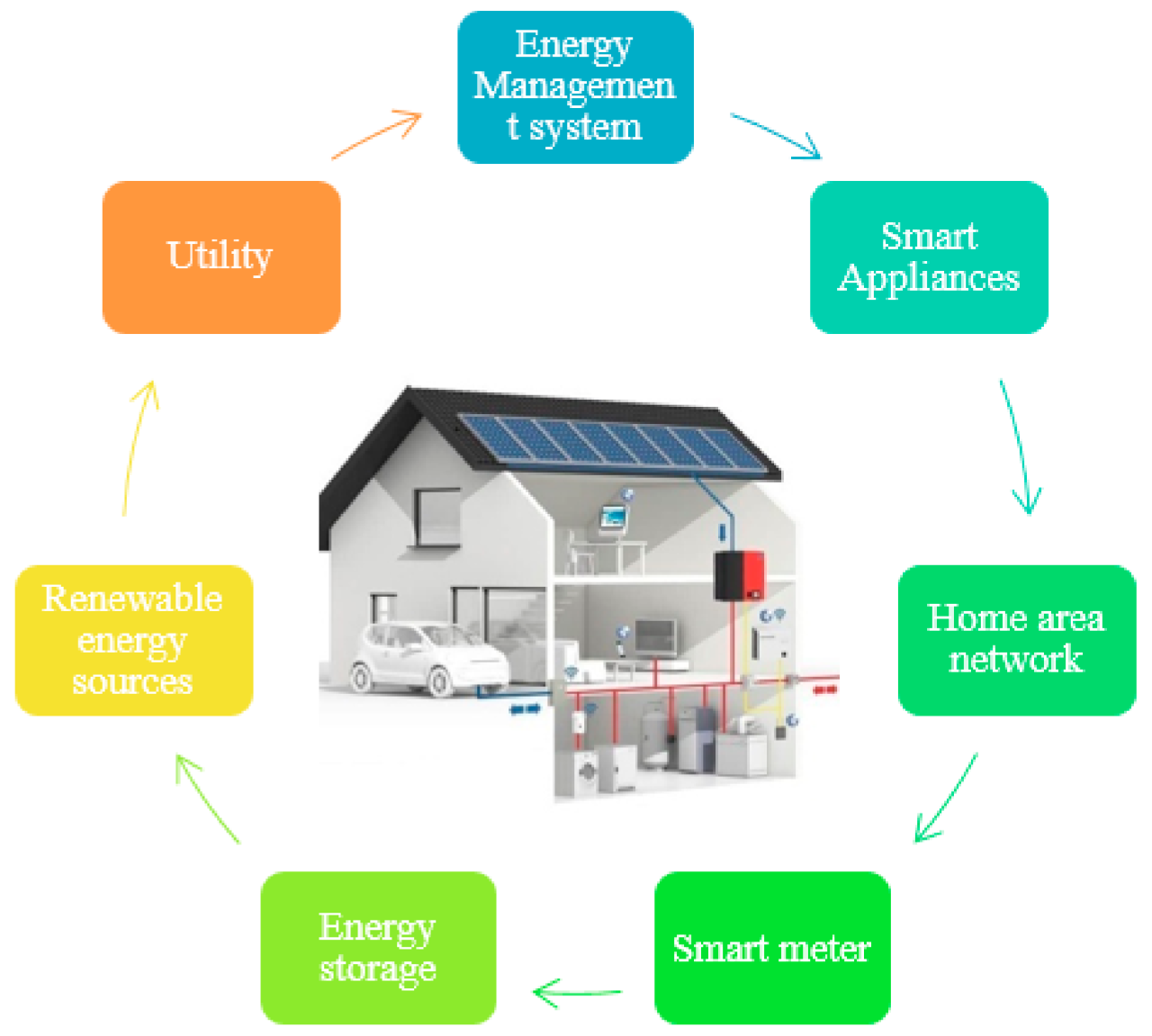
Smart home automation refers to the use of technology to control various devices and systems in a house remotely. This allows homeowners to monitor and manage their home environment efficiently and conveniently.Energy-saving is a crucial aspect of smart homes in Europe as it not only helps reduce utility bills but also contributes to environmental sustainability by lowering energy consumption.
By automating heating, cooling, lighting, and other systems, smart homes can optimize energy usage without compromising comfort.
Current Trends and Adoption of Smart Home Technology in Europe
In Europe, there is a growing trend towards the adoption of smart home technology. According to Statista, the revenue in the smart home market is projected to reach US$33,435m in 2021. This indicates a strong interest and investment in smart home solutions across the region.Some of the factors driving the adoption of smart home technology in Europe include the increasing awareness of energy efficiency, government initiatives promoting sustainable living, and the convenience offered by smart home devices.
With advancements in technology and the availability of affordable smart home products, more households are embracing automation for energy-saving purposes.
Benefits of Energy-Saving through Smart Home Automation
Smart home automation offers numerous benefits when it comes to energy-saving practices. By incorporating advanced technologies, smart homes can significantly reduce energy consumption compared to traditional methods. Let's explore the advantages and examples of energy-saving technologies commonly used in smart homes.
Efficiency in Energy Consumption
Smart home automation systems allow for precise control over energy usage, optimizing the consumption patterns according to specific needs and schedules. By automating lighting, heating, cooling, and other appliances, homeowners can ensure that energy is only used when necessary, leading to significant savings in electricity bills.
Integration of Renewable Energy Sources
Smart home automation enables the seamless integration of renewable energy sources such as solar panels or wind turbines. These systems can be programmed to prioritize the use of clean energy when available, reducing reliance on traditional grid power and lowering carbon emissions.
This not only promotes sustainability but also leads to long-term cost savings.
Smart Thermostats and Energy-Efficient Appliances
One of the key components of energy-saving in smart homes is the use of smart thermostats and energy-efficient appliances. Smart thermostats can learn the household's schedule and adjust the temperature settings accordingly, reducing unnecessary heating or cooling. Energy-efficient appliances, such as smart refrigerators or washing machines, consume less electricity while maintaining optimal performance, contributing to overall energy savings.
Remote Monitoring and Control
Smart home automation systems offer the convenience of remote monitoring and control, allowing homeowners to manage their energy usage even when they are away. Through mobile apps or online platforms, users can track their energy consumption in real-time, identify areas of improvement, and make adjustments to optimize efficiency.
This level of control empowers users to make informed decisions that lead to substantial energy savings over time.
Regulations and Policies Promoting Energy Efficiency in Europe
In Europe, there is a strong regulatory framework in place to support energy-saving initiatives and promote the implementation of smart home automation for increased energy efficiency
European Union Directives
The European Union has established several directives aimed at reducing energy consumption and promoting energy efficiency. One of the key directives is the Energy Performance of Buildings Directive (EPBD), which sets out requirements for energy performance certificates and promotes the use of smart technologies in buildings to improve energy efficiency.
National Energy Efficiency Action Plans
Many European countries have developed National Energy Efficiency Action Plans (NEEAPs) to Artikel their strategies for improving energy efficiency. These plans often include incentives and regulations to encourage the adoption of smart home automation technologies that contribute to energy savings.
Financial Incentives
Governments across Europe offer financial incentives such as grants, tax credits, and subsidies to support energy-saving measures in homes. These incentives make it more affordable for homeowners to invest in smart home automation systems that reduce energy consumption.
Mandatory Energy Performance Certificates
In some European countries, it is mandatory for homeowners to obtain energy performance certificates when selling or renting a property. These certificates provide information on the energy efficiency of a building and can incentivize the adoption of energy-saving technologies like smart home automation.
Impact of Regulations
The regulatory framework and policies promoting energy efficiency in Europe have had a significant impact on the adoption of energy-saving technologies. Homeowners are increasingly looking to smart home automation systems to reduce their energy consumption and lower their utility bills, thanks to the support provided by these regulations and initiatives.
Innovative Technologies for Energy Management in Smart Homes
Smart homes in Europe are increasingly adopting innovative technologies for energy management to optimize energy consumption and promote sustainability. These technologies, including IoT devices, sensors, and smart meters, play a crucial role in monitoring and controlling energy usage efficiently.
IoT Devices for Energy Management
IoT devices enable seamless communication between various appliances and systems in a smart home, allowing for centralized monitoring and control of energy consumption. For example, smart thermostats can automatically adjust temperature settings based on occupancy patterns, optimizing heating and cooling energy usage.
Sensors for Energy Efficiency
Sensors are utilized in smart homes to collect real-time data on energy consumption, occupancy, and environmental conditions. By analyzing this data, homeowners can identify opportunities for energy savings and implement strategies to reduce wastage. For instance, motion sensors can detect when rooms are unoccupied and adjust lighting accordingly to save electricity.
Smart Meters for Real-Time Monitoring
Smart meters provide real-time information on energy usage, allowing homeowners to track their consumption patterns and identify areas where energy efficiency can be improved. By receiving detailed insights into their electricity usage, residents can make informed decisions to reduce energy waste and lower their utility bills.
Case Studies of Energy Management Solutions
One successful example of energy management in European smart homes is the integration of solar panels with smart inverters and energy storage systems. This setup enables homeowners to generate their electricity, store excess energy, and utilize it during peak hours, reducing reliance on the grid and promoting renewable energy usage.
Conclusion
As we conclude our exploration of “Smart Home Automation for Energy-Saving in Europe,” we reflect on the strides made towards a more sustainable future. From regulatory frameworks to cutting-edge technologies, the journey continues towards a greener tomorrow, one smart home at a time.
Essential Questionnaire
What are some common energy-saving technologies used in smart homes?
Smart thermostats, LED lighting, and energy monitoring devices are popular choices for optimizing energy consumption in smart homes.
How do regulations in Europe support energy-saving initiatives in smart homes?
Regulations such as the EU's Energy Efficiency Directive set targets for energy efficiency and promote the use of smart technologies for reducing energy consumption.
Can smart home automation really make a significant impact on reducing energy consumption?
Yes, by automating energy usage based on patterns and real-time data, smart home systems can lead to substantial energy savings over time.